📱 Children and the Algorithm: The Hidden Emotional Cost of Growing Up on Screens
We often talk about “screen time” as if it’s just a number of hours. But in reality, it’s not the time that’s the whole story it’s the type of content and the invisible algorithms shaping it.
🎯 Here’s the reality:
Children today are not just using technology they’re being shaped by it. Every short video, auto-suggested playlist, and recommended post is the result of a finely tuned system designed to capture attention and influence behavior.
🧠 Emotional Development in the Algorithm Age
Psychologists agree that childhood is when core emotional skills patience, empathy, self-regulation are developed.
But with constant exposure to fast-paced, high-stimulation content, we’re seeing:
Shorter attention spans ⏳ – the brain adapts to quick dopamine hits, making slower, real-world activities feel “boring.”
Reduced frustration tolerance 🌀 – waiting or working through challenges becomes harder.
Distorted self-image 📸 – curated, filtered worlds set unrealistic expectations.
Weakened empathy ❤ – emotional cues in real conversations are replaced by emojis and reaction buttons.
📊 Why This Matters
When algorithms reward engagement over well-being, the loudest and most emotionally charged content often wins. Over time, this may rewire emotional responses making validation-seeking and constant stimulation the new norm.
It’s not about vilifying technology it’s about understanding its design and how it intersects with critical stages of emotional growth.
💡 What Can Be Done
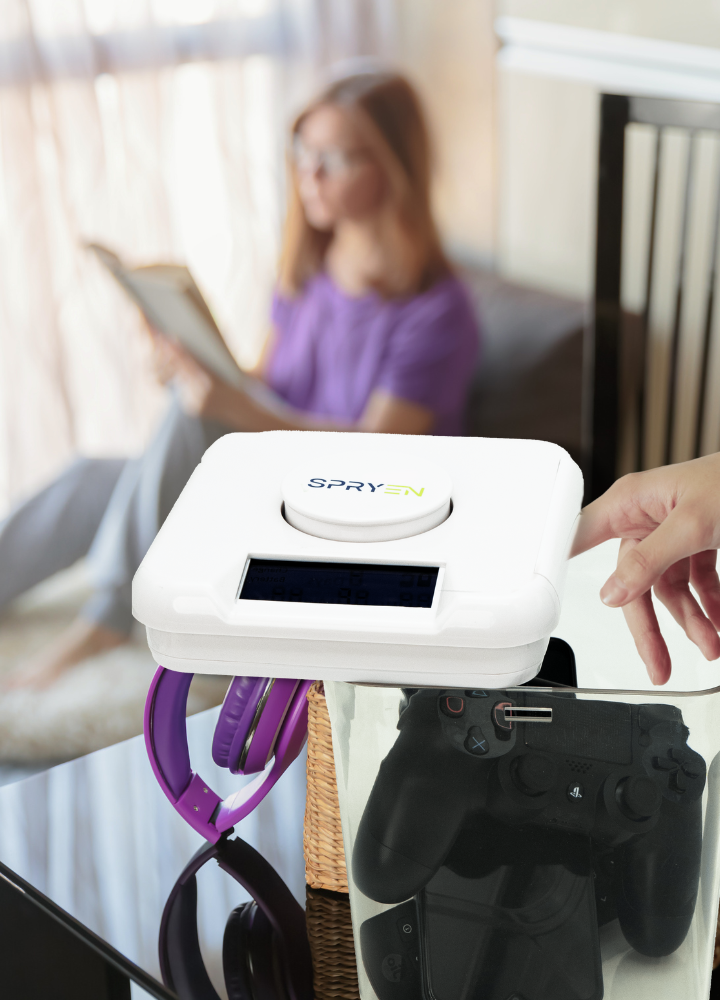
At SPRYEN Solutions, we advocate for building healthy digital habits early:
Teach kids to question recommendations rather than consume passively.
Introduce “slow tech” moments long-form reading, creative offline play.
Make digital literacy part of emotional education.
🌍 This is a shared responsibility parents, educators, tech companies, and policymakers.
💬 Question for you: If the algorithms shaping our children won’t slow down, how do we slow down their effect on childhood?
📌 Tagging child psychologists, educators, and digital wellness experts to weigh in: Bhargavi Raman Dr Debmita Dutta Riri G Trivedi